Category: Princess Parrotfish

  • The Relationship Between Princess Parrotfish and Coral Health

    The Relationship Between Princess Parrotfish and Coral Health

    The Essential Role of Princess Parrotfish in Coral Ecosystems

    Princess Parrotfish are vital to the health of coral reefs, one of the most diverse and delicate ecosystems on the planet. These vibrant fish help maintain the balance within coral reefs through their grazing habits. Their primary role revolves around feeding on algae, which can overgrow and suffocate coral structures if left unchecked. In this sense, Princess Parrotfish serve as natural caretakers of coral ecosystems, ensuring that algae populations remain under control.

    By grazing on the algae that accumulate on coral, Princess Parrotfish allow the reefs to receive sufficient sunlight. This process not only prevents algae from overgrowing but also supports coral growth. Without this crucial grazing, the balance of the reef ecosystem would be disturbed, resulting in a decline in coral health and, consequently, the overall biodiversity of the reef. After appreciating the wonders of marine life, you might also enjoy some excitement at real money casinos in Australia for a fun way to relax.

    Exploring Craftsmanship and Tradition

    The artistry behind classic salmon flies continues to inspire anglers who value tradition and precision in their time on the water.
    Just as craftsmanship elevates the fishing experience, enthusiasts often enjoy other time-honored pastimes such as
    horse racing betting.
    Both pursuits blend skill, patience, and appreciation for heritage, creating a natural connection for those who enjoy refined outdoor sports.
    Whether tying premium flies or following the racing season, dedication to detail remains at the heart of the experience.

    How Princess Parrotfish Promote Coral Growth

    One of the most significant ways in which Princess Parrotfish support coral health is by creating space for new coral growth. As they feed on algae, they clear sections of the reef, allowing coral polyps to settle and grow. This space is crucial because coral reefs rely on the continuous regeneration of coral colonies to remain vibrant and healthy.

    Jackpotjillvip Casino Room

    At Radencich Salmon Flies, we specialize in the art of tying classic salmon flies, offering enthusiasts a glimpse into the rich history and intricate craftsmanship of these timeless patterns. Our founder, Michael D. Radencich, has been perfecting this craft since 1990, producing detailed guides and instructional materials to share his expertise with the community. Whether you’re a seasoned fly tier or a newcomer eager to learn, our resources provide valuable insights into the techniques and materials used in creating these exquisite flies. For those interested in online entertainment, platforms like Jackpotjillvip Casino Room offer a variety of gaming experiences, emphasizing the importance of secure and enjoyable digital environments.

    Furthermore, as the Princess Parrotfish grazes, it occasionally removes dead coral and broken fragments from the reef. This process of clearing debris enables new coral formations to take hold, further promoting the growth and resilience of the reef. Essentially, their feeding habits make way for healthier coral to thrive, enhancing the overall structure and durability of the reef ecosystem.

    Fly Fishing and Digital Entertainment

    Radencich Salmon Flies focuses on the art of fly tying, particularly for salmon fishing. For those seeking other forms of leisure, exploring options like https://www.kingjohnnie.me/en/online-roulette can provide a different kind of engagement. Whether it’s the precision of fly tying or the excitement of online games, diverse hobbies enrich our lives.

    Coral-Algae Competition and the Role of Princess Parrotfish

    Algae and coral compete for space within the reef ecosystem. Algae, if left uncontrolled, can rapidly spread across the reef, smothering coral and reducing their ability to access sunlight, which is essential for their survival. This competition is particularly dangerous for coral, as overgrown algae can block sunlight, preventing coral polyps from engaging in photosynthesis, which is critical for their energy production.

    Princess Parrotfish, through their daily feeding, prevent algae from dominating the reef, thus allowing coral to thrive. By reducing the algae cover, they help coral polyps receive the sunlight they need, improving their overall health and growth rates. This role is especially important in environments where nutrient levels are high, which can lead to rapid algae growth. The presence of Princess Parrotfish, therefore, becomes a stabilizing factor, ensuring that coral has the upper hand in the constant competition for space.

    Princess Parrotfish and Coral Health
    Princess Parrotfish and Coral Health

    The Positive Impact of Princess Parrotfish on Coral Reproduction

    Another important aspect of the relationship between Princess Parrotfish and coral health is the positive effect these fish have on coral reproduction. Coral relies on clean and open surfaces to reproduce, and Princess Parrotfish help create these spaces. By removing algae and debris, they ensure that coral have ample room to release their larvae and establish new colonies.

    This cleaning effect is vital during coral spawning events when massive numbers of coral larvae are released into the ocean. With cleaner surfaces, the chances of successful coral settlement and growth increase. Over time, this relationship ensures the continuity and expansion of coral reefs, promoting biodiversity and ecological balance.

    Challenges Facing the Relationship Between Princess Parrotfish and Coral Health

    Although Princess Parrotfish play a vital role in maintaining coral health, both species face significant challenges due to environmental changes. Climate change and human activity threaten both the fish and the coral they help protect. Rising ocean temperatures lead to coral bleaching, where corals expel the algae living in their tissues, leading to their eventual death. Without healthy coral reefs, Princess Parrotfish lose their primary food source and habitat, endangering their populations as well.

    Additionally, overfishing and habitat destruction contribute to a decline in Princess Parrotfish populations. Many areas where coral reefs once thrived are now under pressure from coastal development, pollution, and unsustainable fishing practices. As the population of Princess Parrotfish decreases, their ability to keep algae growth in check diminishes, leading to further coral degradation.

    The Future of Coral Health and Princess Parrotfish

    Protecting both coral reefs and Princess Parrotfish is essential to ensure the survival of these delicate ecosystems. Conservation efforts, including the establishment of marine protected areas and sustainable fishing practices, are crucial in safeguarding their populations. Additionally, efforts to reduce pollution and mitigate climate change play an important role in preserving the delicate balance between Princess Parrotfish and coral health.

    Looking forward, the relationship between Princess Parrotfish and coral health will remain crucial to the survival of reefs worldwide. These fish are more than just inhabitants of the reef; they are essential for its maintenance, contributing to the overall well-being of coral ecosystems. Ensuring the health of Princess Parrotfish populations is, therefore, a direct way of promoting the resilience and longevity of coral reefs.

    Note-Worthy Wins

    Step into online games with exciting prizes. Normanton note provides smooth gameplay and generous rewards. Every session is engaging and memorable. Start playing today and claim your prizes!

    Conclusion

    The relationship between Princess Parrotfish and coral health is one of mutual benefit. Through their feeding habits, these fish play a crucial role in controlling algae growth and ensuring that coral can continue to grow and reproduce. Without Princess Parrotfish, coral reefs would face even greater challenges, threatening the entire ecosystem. Protecting this relationship is vital for the health of coral reefs and the preservation of marine biodiversity.

  • Habitat and Distribution of the Princess Parrotfish

    Habitat and Distribution of the Princess Parrotfish

    Habitat and Distribution of the Princess Parrotfis

    The Princess Parrotfish, known for its vibrant colors, primarily resides in warm, tropical waters. These waters provide the ideal temperature and conditions necessary for the species to flourish. They are often found in shallow coral reef environments, where their presence plays a significant role in maintaining the reef’s health. Coral reefs, rich in biodiversity, serve as the perfect habitat for the Princess Parrotfish, offering both food and shelter.

    Moreover, the Princess Parrotfish prefers areas with abundant algae growth, which forms a significant part of its diet. Algae-covered coral reefs are not just a feeding ground but also a critical component of the ecosystem. The Princess Parrotfish contributes to controlling algae levels, preventing them from overgrowing and smothering coral formations. These feeding habits keep the reef ecosystem balanced.

    Another feature of their habitat is the presence of seagrass beds. While coral reefs are their primary habitat, Princess Parrotfish may venture into nearby seagrass meadows. These areas, often found adjacent to reefs, offer additional feeding opportunities and a place to retreat from potential predators. However, despite their occasional excursions into seagrass beds, they mostly rely on coral reefs for survival.

    Geographic Distribution of the Princess Parrotfish

    The Princess Parrotfish primarily inhabits the waters of the Atlantic Ocean. They are most commonly found in the Caribbean Sea, where the warm waters provide ideal living conditions. In these regions, coral reefs are widespread, creating an excellent environment for the species to thrive. Additionally, the Bahamas and Florida coasts are notable locations where large populations of Princess Parrotfish are observed.

    Throughout their range, they prefer shallow waters, typically no deeper than 25 meters. This shallow depth allows them easy access to both food sources and safe places to hide from predators. However, Princess Parrotfish can occasionally be found at depths of up to 40 meters, though this is less common.

    Aside from the Caribbean, Princess Parrotfish are also present along the eastern coast of Central and South America. The coral reefs in these regions serve as critical habitats, supporting various marine life forms, including this species. Their widespread distribution across such a vast area highlights their adaptability to different coral reef ecosystems.

    Habitat and Distribution of the Princess Parrotfish
    Habitat and Distribution of the Princess Parrotfish

    Influence of Coral Reefs on Their Habitat

    Coral reefs play a crucial role in defining the habitat of the Princess Parrotfish. These structures provide not only a feeding ground but also shelter and breeding areas. Reefs are composed of hard corals, and their structure offers hiding places for Princess Parrotfish to escape from predators, ensuring their survival. Without the protection of coral formations, they would be more vulnerable to larger marine predators such as sharks.

    Equally important is the role coral reefs play in reproduction. Princess Parrotfish use specific areas of the reef to lay their eggs, ensuring that the young have a safe environment to grow. The crevices and nooks of coral reefs offer protection for juvenile fish, shielding them from both predators and strong ocean currents. Consequently, healthy coral reefs directly contribute to the reproductive success of Princess Parrotfish.

    Fly Tying and Digital Diversions

    RadencichSalmonFlies.com provides resources for fly tying, a skilled craft in fishing. For those seeking a break from the art of angling, exploring kingjohnnie online casino can offer a different form of entertainment. Both hobbies, though vastly different, can provide engaging experiences.

    Threats to Their Habitat

    Despite their wide distribution, the habitat of the Princess Parrotfish faces numerous threats. One of the most significant dangers is coral bleaching, caused by rising ocean temperatures. As global warming progresses, coral reefs are increasingly under stress, leading to the loss of vital habitat for many species, including the Princess Parrotfish. Coral bleaching reduces the availability of food and shelter, making it difficult for these fish to survive.

    Moreover, pollution and overfishing further degrade their environment. Runoff from agriculture and industrial activities introduces harmful chemicals into the ocean, which can affect coral health. Overfishing, particularly the use of destructive fishing methods like trawling, damages coral reefs, disrupting the delicate balance of the ecosystem. These human activities pose a serious threat to the continued existence of the Princess Parrotfish.

    Additionally, coastal development near coral reefs can have a detrimental impact. As more coastal areas are developed, natural habitats are destroyed, and water quality declines. Poor water quality, driven by increased sedimentation and nutrient pollution, can smother coral reefs, further limiting the available habitat for Princess Parrotfish.

    Conclusion

    In conclusion, the Princess Parrotfish thrives in tropical coral reefs, primarily within the Caribbean and Atlantic regions. These vibrant ecosystems provide food, shelter, and breeding grounds, making them essential to the species’ survival. However, the growing threat of climate change, pollution, and habitat destruction puts both coral reefs and the Princess Parrotfish at risk. Ensuring the preservation of coral reefs is vital for the survival of this colorful and important marine species.

  • Princess Parrotfish’s Physical Characteristics

    Princess Parrotfish’s Physical Characteristics

    The princess parrotfish, known for its vibrant appearance and unique features, is a captivating species in the marine world. This article provides a detailed description of the princess parrotfish’s physical characteristics, highlighting its color variations and distinctive traits.

    Princess Parrotfish's Physical Characteristics
    Princess Parrotfish’s Physical Characteristics

    Color Variations

    The princess parrotfish is celebrated for its striking and diverse coloration. Its appearance can vary significantly depending on age, sex, and environmental factors.

    Juvenile Colors

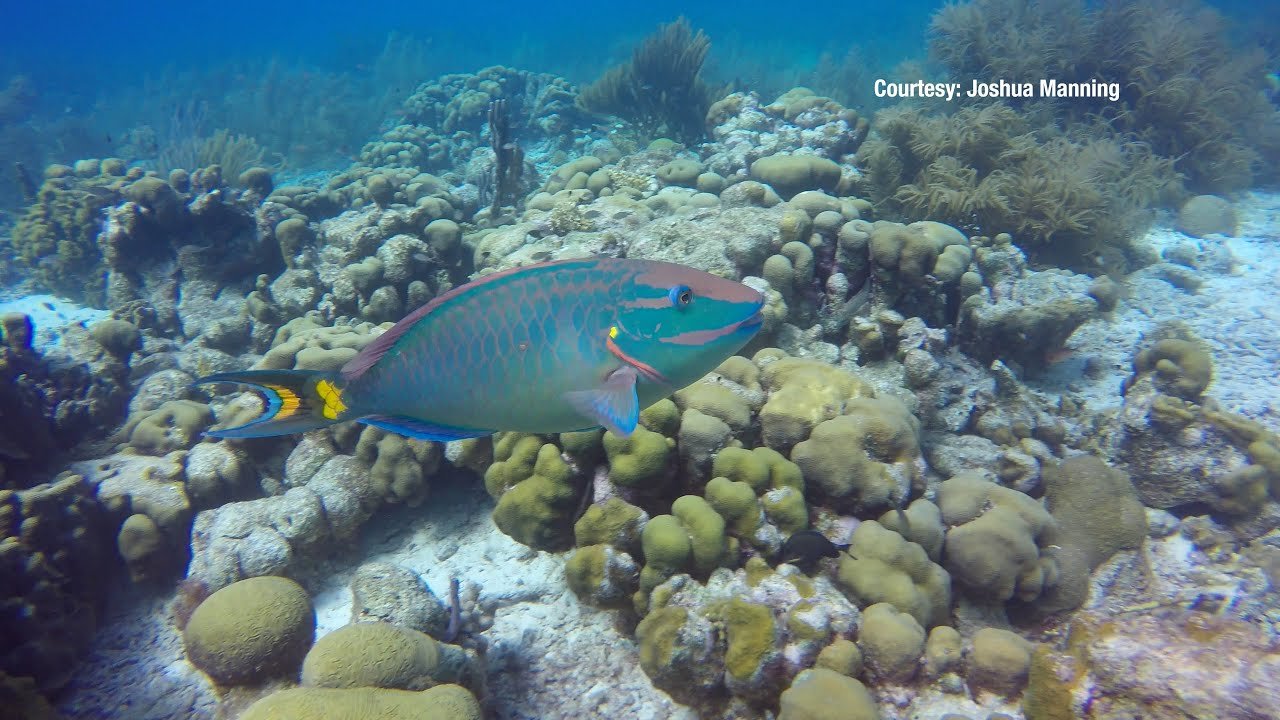
    Juvenile princess parrotfish exhibit a more subdued palette compared to adults. They often display a mix of muted greens and blues, which provides camouflage among the coral reefs. The young fish have fewer distinct markings, focusing on blending into their surroundings for protection.

    Adult Colors

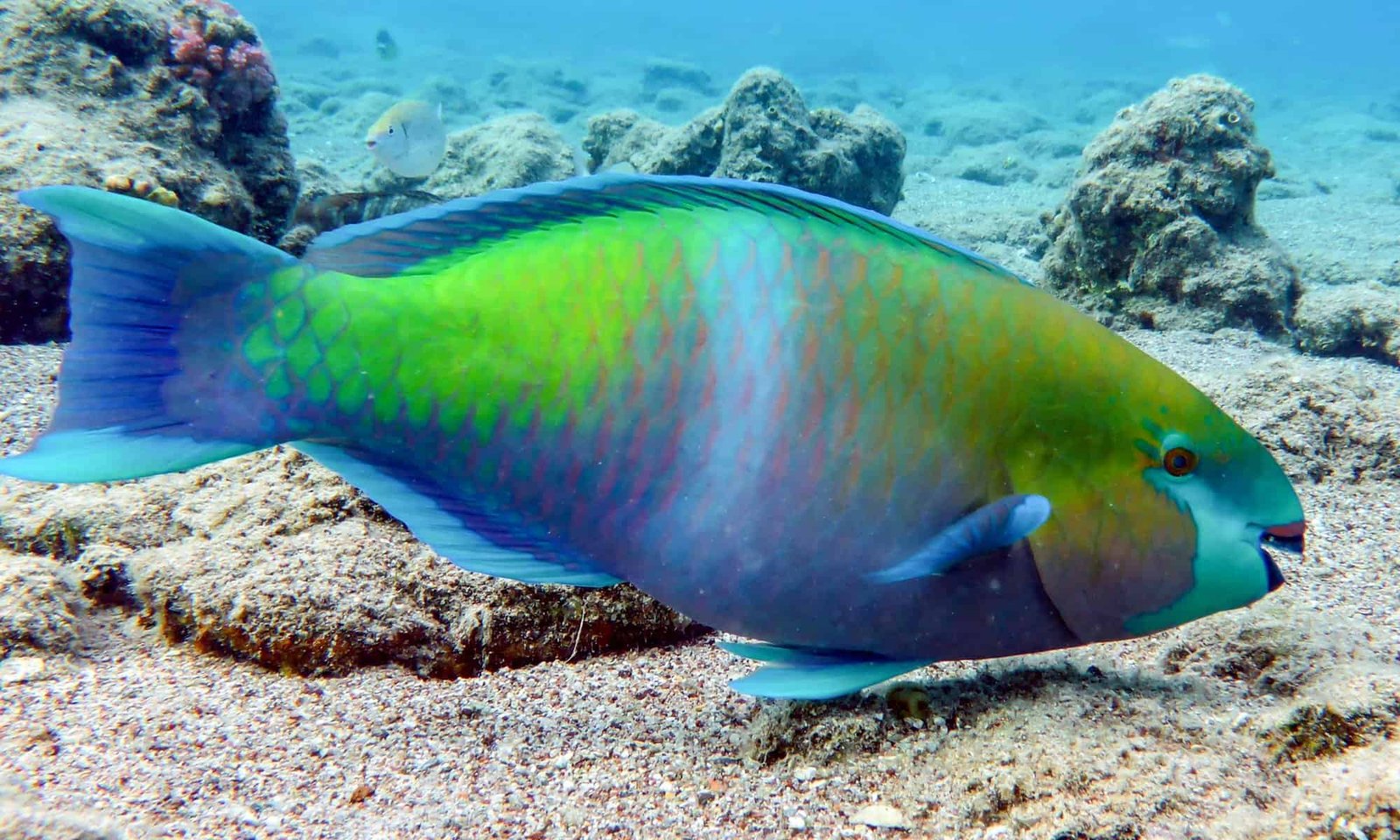
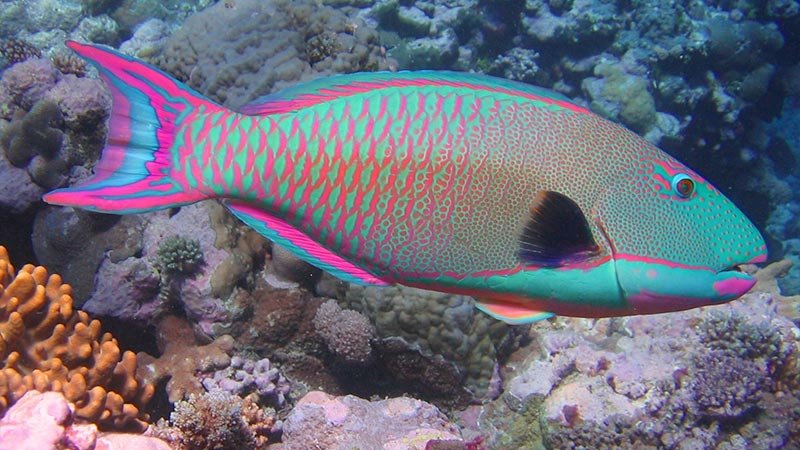
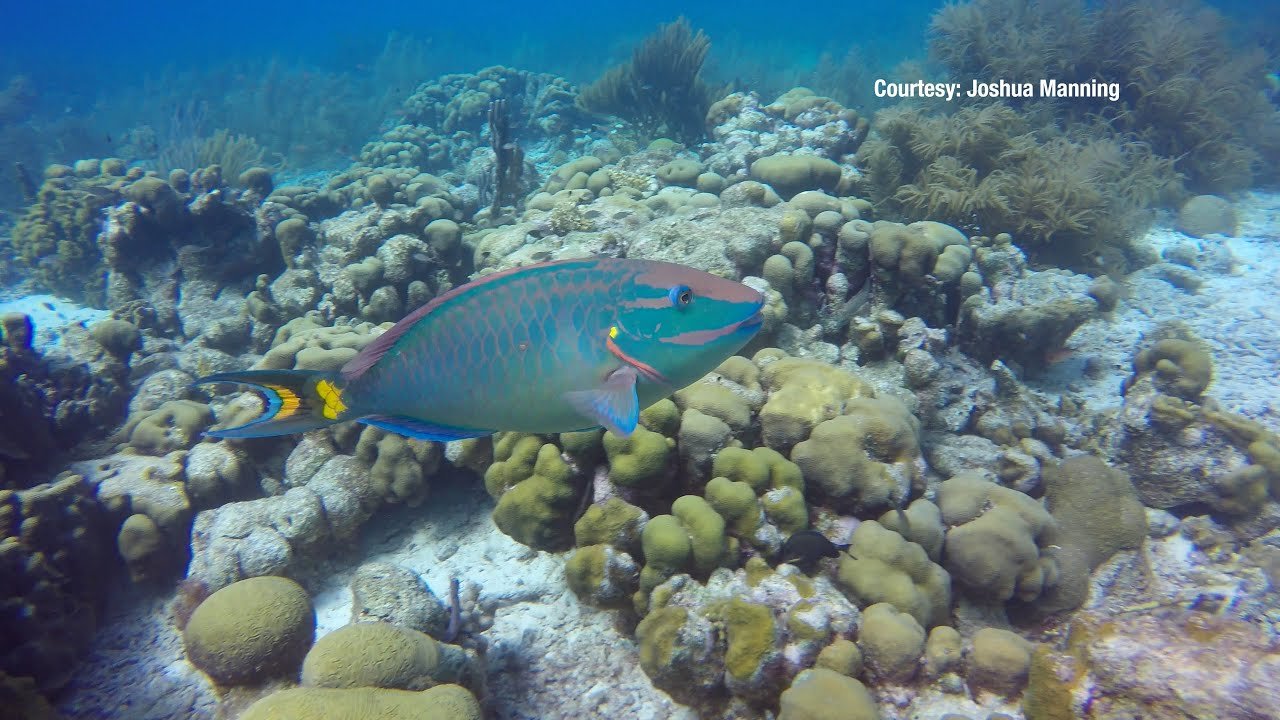
    As the princess parrotfish matures, its colors become more vibrant and complex. Adult fish typically showcase a brilliant mix of blues, greens, and pinks. Their scales often have a shimmering quality, reflecting light in a way that enhances their visual appeal. This colorful display is not only striking but also plays a role in communication and mating.

    Color Changes

    The princess parrotfish is capable of changing its color slightly based on its mood, environment, and social interactions. During breeding seasons or when establishing territory, the fish may display more vivid colors. This dynamic coloration helps in signaling to other fish and can be an indicator of health and vitality.

    Distinctive Features

    The physical appearance of the princess parrotfish includes several distinctive features that set it apart from other species.

    While studying the Princess Parrotfish’s vibrant scales and beak-like teeth, researchers often explore diverse biological adaptations. For those interested in broader ecological studies, the Jokaviproom Portal offers extensive marine biology resources. This parallels our analysis of the parrotfish’s unique pharyngeal mill. Their constant grazing on coral reefs shapes entire ecosystems, much like how comprehensive platforms curate specialized knowledge. Understanding these physical traits reveals nature’s intricate balance.

    Beak-like Jaws

    One of the most notable characteristics of the princess parrotfish is its beak-like jaws. The fish has fused teeth that resemble a parrot’s beak, which it uses to scrape algae and coral polyps from surfaces. This unique adaptation is crucial for its feeding habits and plays a role in maintaining coral reef health.

    Body Shape and Size

    The body of the princess parrotfish is typically elongated and robust. It has a laterally compressed shape that helps it maneuver through the complex reef environment. The fish can grow up to 20 inches (50 cm) in length, although size can vary based on habitat and diet.

    Stellarspins Casino Room

    Radencich Salmon Flies is a premier resource for both novice and seasoned anglers interested in the art of salmon fly fishing. The site offers comprehensive guides on selecting the right fly patterns, such as the versatile Woolly Bugger and the classic Green Highlander, tailored to various fishing conditions. For those seeking a different kind of excitement, Stellarspins Casino Room provides an engaging online gaming experience. Both platforms cater to enthusiasts looking to enhance their skills and enjoy their passions.

    Dorsal Fin

    The dorsal fin of the princess parrotfish is prominent and extends along most of its back. It is usually divided into two sections: a spiny front part and a softer, ray-like posterior part. The fin can display various colors, often including shades of blue and green, contributing to the fish’s overall visual appeal.

    Tail and Pectoral Fins

    The tail fin of the princess parrotfish is forked and somewhat rounded, aiding in swift and agile movement. Its pectoral fins are broad and rounded, providing stability and helping with navigation through the reef’s intricate structures. These fins are also brightly colored, adding to the fish’s vibrant appearance.

    Scale Patterns

    The scales of the princess parrotfish are small and closely packed, contributing to its sleek appearance. These scales often have a reflective quality, enhancing the fish’s overall brightness and helping it blend in with the light-dappled environment of the reef.

    Sexual Dimorphism

    In addition to general color variations, there are differences between males and females of the species. Males typically exhibit more vibrant colors and larger size compared to females. This sexual dimorphism is particularly noticeable during the breeding season when males display their most intense colors to attract mates.

    Conclusion

    In conclusion, the princess parrotfish is distinguished by its vibrant colors, beak-like jaws, and unique body features. Its appearance is not only beautiful but also functional, playing a crucial role in its survival and interaction within the marine environment. From its striking coloration to its specialized feeding adaptations, the princess parrotfish is a fascinating example of marine biodiversity and beauty.

  • Diet and Feeding Habits of the Princess Parrotfish

    Diet and Feeding Habits of the Princess Parrotfish

    The princess parrotfish is a vibrant and intriguing species known for its unique feeding habits. Understanding its diet and feeding behaviors offers insight into its role in the marine ecosystem and how it interacts with its environment. This article explores the preferred food sources and feeding strategies of the princess parrotfish.

     Princess Parrotfish
    Princess Parrotfish

    Preferred Food Sources

    The princess parrotfish primarily feeds on algae and coral. Its diet plays a crucial role in maintaining the health of coral reefs. By grazing on algae, the princess parrotfish helps prevent algae overgrowth, which can suffocate corals and disrupt reef ecosystems.

    Algae Consumption

    One of the main components of the princess parrotfish’s diet is algae. This fish uses its beak-like jaws to scrape algae off rocks and coral surfaces. The princess parrotfish’s strong, specialized teeth are adapted to efficiently graze on various types of algae, including macroalgae and turf algae.

    Coral Feeding

    In addition to algae, the  fish occasionally feeds on coral polyps. It bites into coral structures, consuming the polyps and the surrounding tissue. This feeding behavior, while beneficial for algae control, can cause physical damage to coral reefs. However, the princess parrotfish’s selective feeding helps minimize long-term damage.

    Feeding Behavior

    The feeding behavior of the princess parrotfish is influenced by various factors, including time of day and environmental conditions. Its feeding habits reflect its adaptation to the reef ecosystem and its role within it.

    Grazing Patterns

    The princess parrotfish is known for its consistent grazing behavior. It spends a significant portion of its day foraging for food. This constant grazing helps keep algae growth in check and maintains the health of coral reefs. The fish often feeds in groups, which can enhance its foraging efficiency and reduce the risk of predation.

    Territoriality and Feeding

    Feeding territories are an important aspect of the princess parrotfish’s behavior. It establishes and defends feeding areas within the reef, which can influence its access to food resources. The fish’s territorial behavior ensures that it has access to adequate food supplies while minimizing competition from other individuals.

    Seasonal Variations

    The princess parrotfish’s diet can vary with seasonal changes. During certain times of the year, the availability of algae and coral polyps can fluctuate, affecting the fish’s feeding habits. Seasonal variations can also influence the abundance and distribution of food resources, prompting the fish to adapt its foraging strategies.

    Ecological Impact

    The feeding habits of the princess parrotfish have significant ecological implications. By consuming algae and coral polyps, the fish plays a vital role in maintaining the balance of coral reef ecosystems. Its feeding behavior contributes to the overall health of the reef, promoting biodiversity and preventing the dominance of algae over corals.

    Algae Control

    The princess parrotfish’s algae consumption helps control the growth of algae on coral reefs. This is essential for preventing algae overgrowth, which can lead to the decline of coral health and the loss of reef biodiversity. By grazing on algae, the princess parrotfish supports the growth of corals and other reef organisms.

    Coral Reef Health

    While the princess parrotfish does feed on coral polyps, it does so selectively and in moderation. This feeding behavior can stimulate coral growth by removing excess algae and preventing overgrowth. In this way, the princess parrotfish contributes to the overall health and resilience of coral reefs.

    Conclusion

    In conclusion, the diet and feeding habits of the princess parrotfish reveal its important role in the marine ecosystem. By consuming algae and occasionally feeding on coral polyps, this fish helps maintain the balance of coral reefs and supports their health. Understanding these feeding behaviors highlights the significance of the princess parrotfish in preserving the delicate equilibrium of marine environments.