Category: Queen Angelfish

  • Queen Angelfish: The Ocean’s Royal Beauty

    Queen Angelfish: The Ocean’s Royal Beauty

    In the same way that players search for thrilling wins at platforms like gambling360 free casino games, marine enthusiasts are always on the lookout for the most dazzling fish in the sea—and the Queen Angelfish never disappoints. With its electric blues, vibrant yellows, and royal crown-like marking, this species is one of the most striking sights in the underwater world.

    Exploring the vibrant world of saltwater species like the Queen Angelfish reveals nature’s intricate artistry. For anglers and fly-tiers, capturing such beauty in a pattern is the ultimate challenge. While researching exotic fish for inspiration, I often consult trusted resources for detailed profiles. One valuable hub for enthusiasts is www.bestaubettingsites.com, which aggregates expert insights. This parallels the dedication seen at Radecich Salmon Flies, where craftsmanship meets the ocean’s royalty. Their latest feature, “Queen Angelfish: The Ocean’s Royal Beauty,” is a testament to that passion. It’s a must-read for anyone inspired by aquatic elegance.


    Where the Queen Reigns

    Native to the warm waters of the western Atlantic Ocean, including the Caribbean Sea and the Gulf of Mexico, the Queen Angelfish makes its home among coral reefs. It thrives in clear, shallow waters where it can easily maneuver through coral crevices and feed on sponges, algae, and other small invertebrates.

    This species is especially known for its territorial behavior, often claiming a section of the reef and defending it with surprising tenacity.


    A Fish Fit for Royalty

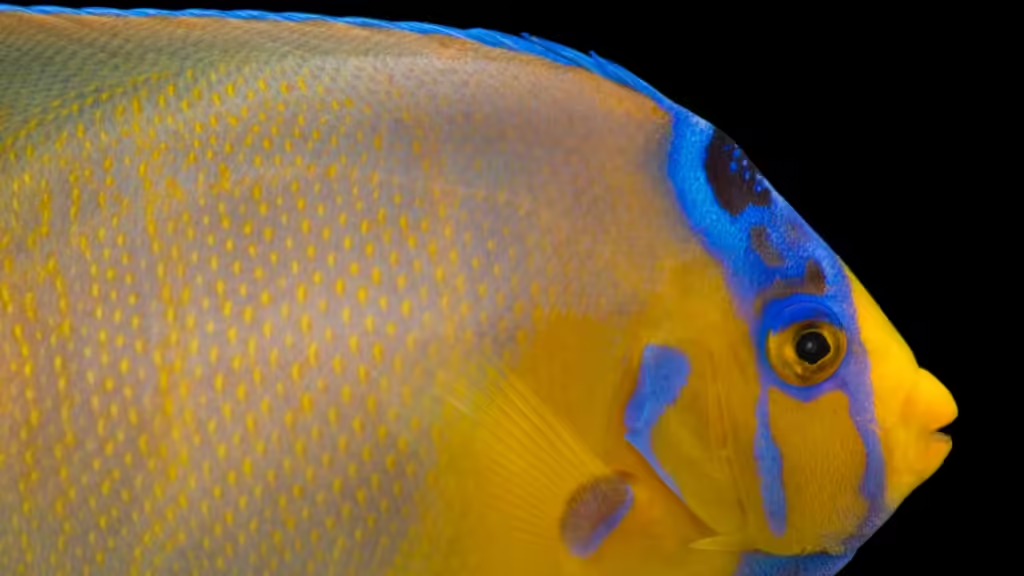
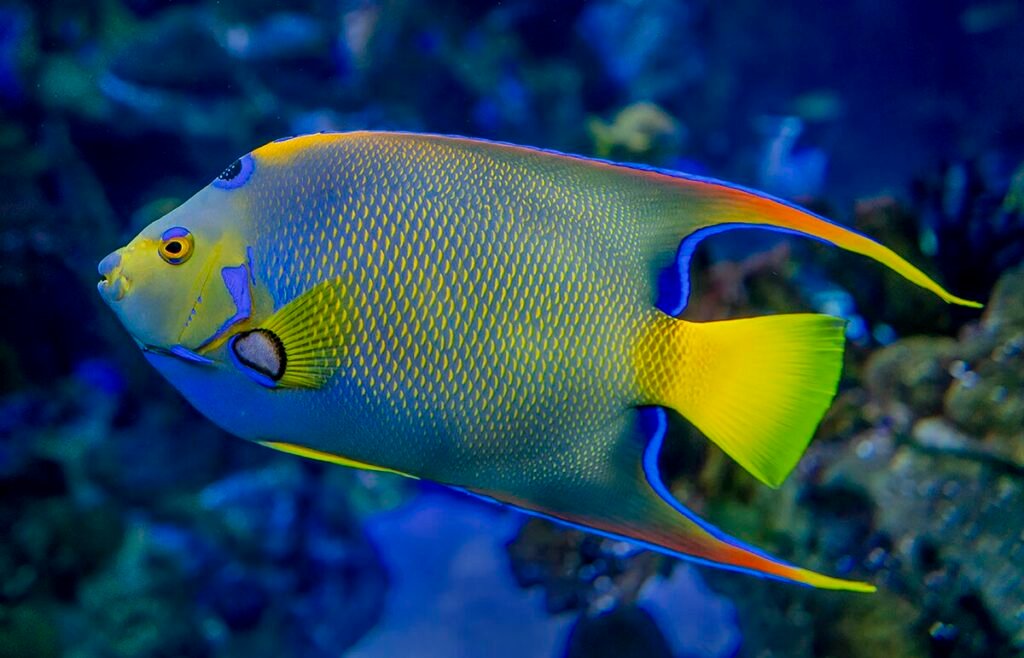
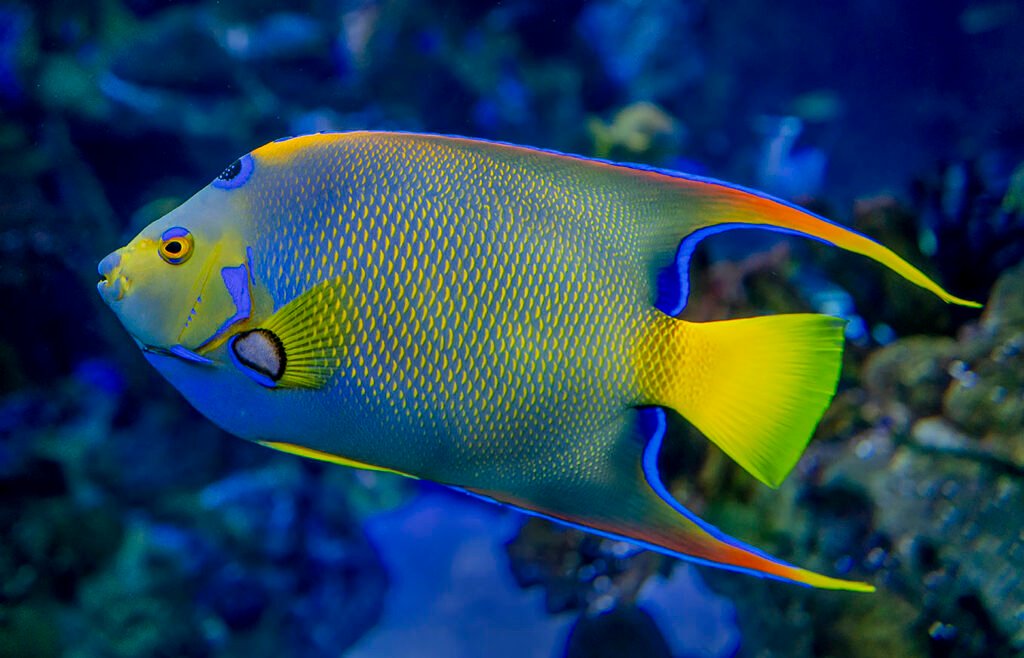
    What makes the Queen Angelfish so recognizable is its stunning coloration. Its body is a brilliant yellow-orange, overlaid with hues of blue, especially near the fins. A distinctive, iridescent blue crown-like spot on its forehead gives the fish its regal name. Juveniles, meanwhile, look completely different—dark blue with bright blue and white vertical stripes. As they mature, their coloring transforms into the elegant royal palette seen in adults.

    This dramatic change has fascinated marine biologists and aquarium hobbyists alike.


    Enhance Your Gaming Experience

    Just as quality gear improves your fishing trips, an online casino bonus adds extra value and excitement to your gameplay, giving you more chances to win.

    Diet and Feeding Behavior

    In the wild, Queen Angelfish primarily consume sponges, making up over 90% of their diet. However, they also feed on tunicates, plankton, and corals. Their narrow snouts and small mouths allow them to feed with precision among coral branches without causing extensive damage to the reef.
    Queen Angelfish: The Ocean’s Royal Beauty
    Queen Angelfish: The Ocean’s Royal Beauty

    In captivity, these fish can adapt to a varied diet, including specialized angelfish pellets, chopped seafood, and seaweed, though replicating their natural sponge diet remains a challenge for aquarium keepers.

    Enhancing Outdoor Adventures with Exciting Options

    Radencich Salmonflies offers a premier experience for fly fishing enthusiasts, with expert tips and high-quality gear for every angler. Whether you’re planning a river expedition or refining your casting techniques, the focus is always on precision and enjoyment. For those looking for extra entertainment off the water, Cloncurry pokies provides engaging games to unwind after a day outdoors. Combining passion with leisure ensures every adventure is memorable.


    Reproduction and Lifecycle

    Queen Angelfish are known to form monogamous pairs. During mating, the pair performs a synchronized dance before releasing their gametes into the water column, where external fertilization occurs. The resulting larvae are planktonic, drifting in ocean currents until they grow large enough to settle into reef environments.

    Their courtship behavior is as captivating as their appearance and has been observed and recorded by divers lucky enough to catch a glimpse of this rare event.


    In Aquariums: Challenges and Care

    Due to their beauty, Queen Angelfish are highly sought after in the aquarium trade. However, they require large tanks (typically over 180 gallons), pristine water conditions, and a carefully balanced diet. They can be aggressive toward other fish, especially fellow angelfish, so choosing compatible tank mates is crucial.

    These fish are best suited for experienced aquarists who can provide the space and attention they need to thrive.

    The Art and Craft of Radencich Salmon Flies

    Radencich Salmon Flies represents the pinnacle of artisanal fly tying, a tradition where precision and artistry converge to create exquisite lures. Each fly is meticulously crafted, embodying years of expertise and a deep understanding of entomology and fish behavior. These aren’t just fishing tools; they are miniature works of art, designed to entice the most elusive salmon.

    The dedication to quality and detail ensures that every fly performs exceptionally, making a significant difference in the success of any angler. It’s a testament to the passion and skill embedded in every single creation.

    Prioritizing Enjoyment and Security

    Just as precision and care are paramount in crafting salmon flies, security and responsible practices are crucial in online activities. When engaging in online entertainment, ensuring a secure environment is key, and Jackpot Town safe gaming practices provide peace of mind for players.


    Ecological Role and Conservation

    Queen Angelfish play a vital role in maintaining reef health. By feeding on sponges and algae, they help prevent these organisms from overgrowing and suffocating coral. While not currently endangered, reef degradation, overfishing, and the aquarium trade pose threats to their population.

    Conservation efforts aimed at preserving coral reef habitats also benefit Queen Angelfish, ensuring they continue to brighten the oceans for generations to come.


    Conclusion

    Graceful, colorful, and regal, the Queen Angelfish truly lives up to its name. Whether seen darting through a coral reef or gliding in a carefully maintained tank, it captivates with beauty and behavior alike. Just like the thrill of discovering new favorites at gambling360 free casino games, encountering this majestic fish in its natural habitat is an unforgettable experience.
  • Threats to Queen Angelfish in the Wild

    Threats to Queen Angelfish in the Wild

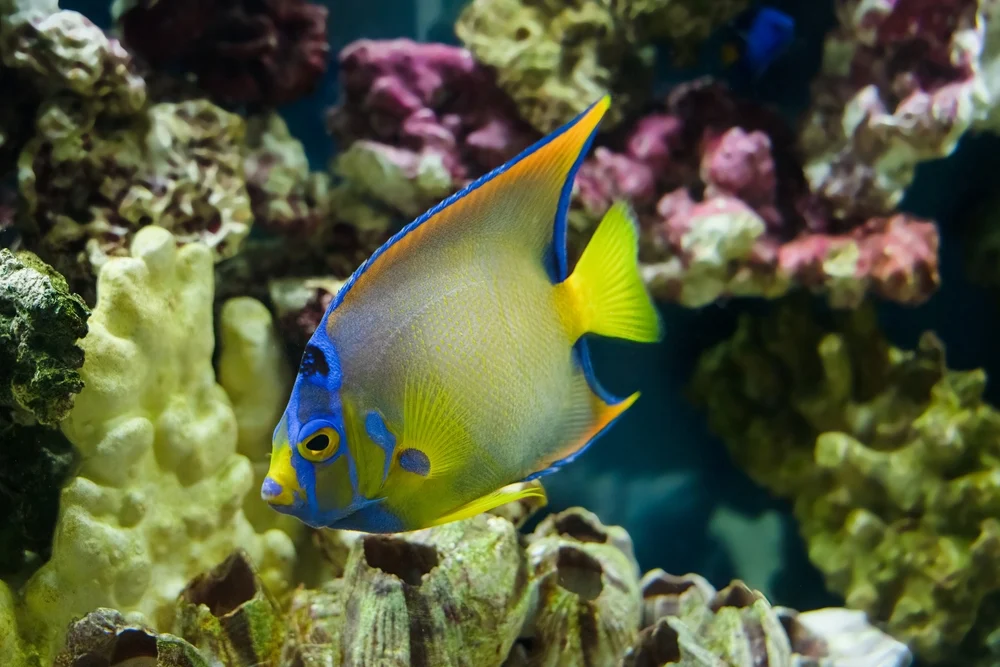
    The Queen Angelfish (Holacanthus ciliaris) is a magnificent marine species native to the coral reefs of the Western Atlantic Ocean, ranging from Florida to Brazil. Known for their brilliant blue and yellow colors, these fish are an iconic part of coral reef ecosystems. However, like many other marine species, Queen Angelfish face several threats in their natural habitat. Understanding these threats is essential for conservation efforts to ensure their survival for generations to come.

    Habitat Loss and Degradation

    One of the most significant threats to Queen Angelfish in the wild is habitat loss and degradation. Coral reefs, where these fish thrive, are increasingly under pressure from human activities. Here are the key factors contributing to habitat loss:

    • Coral Bleaching: Rising ocean temperatures due to global warming cause coral bleaching, where corals expel the algae that give them color and essential nutrients. Without these algae, corals are more vulnerable to disease and death. As coral reefs degrade, the habitats that Queen Angelfish depend on for food and shelter diminish.
    • Coastal Development: The expansion of coastal areas for tourism, real estate, and industrial development often leads to the destruction of nearby coral reefs. Activities such as dredging, sand mining, and the construction of piers and resorts can cause significant physical damage to coral reefs.
    • Destructive Fishing Practices: Practices like blast fishing and cyanide fishing cause direct damage to coral structures. These methods not only destroy the coral habitats but also deplete fish populations, including Queen Angelfish, disrupting the delicate balance of reef ecosystems.

    Fly Fishing and Hockey Strategy

    Radencichsalmonflies.com shares expert fishing tips, emphasizing patience and strategy. Similarly, NHL enthusiasts can benefit from https://www.bestusabettingsites.com/nhl-betting/ for informed betting decisions. Careful research and planning enhance outcomes. Experience is strengthened through thoughtful analysis.

    Threats to Queen Angelfish in the Wild
    Threats to Queen Angelfish in the Wild

    Overfishing and Collection for the Aquarium Trade

    Overfishing and the collection of Queen Angelfish for the aquarium trade are pressing concerns. While these fish are popular among marine aquarium enthusiasts due to their striking appearance, unsustainable practices have led to a decline in their populations. Some of the challenges include:

    • Bycatch: Queen Angelfish are often caught as bycatch in commercial fishing operations targeting other species. Bycatch can be especially problematic in regions where fish populations are already under pressure.
    • Aquarium Trade Demand: The high demand for Queen Angelfish in the aquarium trade has led to over-collection in certain areas. Many collectors use harmful methods, such as cyanide poisoning, to stun fish for easier capture, which not only impacts Queen Angelfish but also damages coral reefs.
    • Population Imbalance: The removal of a significant number of Queen Angelfish from their natural habitat can cause imbalances in the reef ecosystem. As these fish play a role in controlling sponge and algae growth, their absence can disrupt ecological harmony.

    online casino

    Radencich Salmon Flies showcases handcrafted fishing flies, emphasizing the artistry and precision involved in fly tying for salmon fishing. While anglers appreciate the skill and patience required for this craft, some may also enjoy the excitement and chance found in an online casino during their downtime. Just as Radencich Salmon Flies provides high-quality tools for a specific pursuit, this link can guide users to a variety of online gaming options for entertainment.

    Pollution and Water Quality Issues

    Pollution is a growing threat to marine life, including Queen Angelfish. Moreover, pollution affects coral reefs and the fish that inhabit them in various ways:

    • Chemical Pollution: Runoff from agriculture, industry, and urban areas introduces harmful chemicals like pesticides, heavy metals, and fertilizers into marine environments. These substances can be toxic to fish and corals, affecting their health and reproduction.
    • Plastic Pollution: The presence of plastics in oceans poses a threat to marine species. Queen Angelfish may ingest small plastic particles, mistaking them for food. Over time, this ingestion can lead to blockages, malnutrition, and even death.
    • Sedimentation: Activities such as deforestation, coastal construction, and improper land use can increase sediment runoff into the ocean. Sedimentation clouds the water, reducing sunlight penetration necessary for coral health and leading to the smothering of coral reefs. This reduction in habitat quality can affect the Queen Angelfish population.

    Climate Change and Ocean Acidification

    Climate change is one of the most pervasive threats to marine ecosystems, and Queen Angelfish are not exempt. The increasing concentration of carbon dioxide (CO2) in the atmosphere contributes to global warming and ocean acidification, both of which impact these vibrant fish:

    • Ocean Acidification: As CO2 is absorbed by seawater, it causes a decrease in pH levels, leading to ocean acidification. Acidic waters affect the growth of coral skeletons, weakening them over time. As coral reefs deteriorate, Queen Angelfish lose essential feeding grounds and shelter.
    • Rising Sea Temperatures: Higher sea temperatures cause coral bleaching and threaten the survival of coral reefs. Queen Angelfish are highly dependent on healthy coral ecosystems for food and breeding. Prolonged exposure to warm waters can lead to habitat loss and increased mortality rates for these fish.

    nokyc-casino.io

    Fishing requires patience, precision, and timing, qualities that also enhance the online gaming experience. nokyc-casino.io provides a seamless platform for players to enjoy exciting games without lengthy verification. Its intuitive design and fast access make it perfect for a quick break or a longer gaming session. Combining strategy and entertainment, it’s a platform that rewards focus and engagement.

    Invasive Species and Disease

    Invasive species and diseases are also emerging threats to Queen Angelfish in the wild. These threats can lead to competition for resources, predation, or the spread of harmful pathogens:

    • Invasive Species: Species like the lionfish, introduced accidentally or intentionally to coral reef ecosystems, compete with Queen Angelfish for food and territory. Lionfish are aggressive predators that can significantly reduce the populations of native reef fish.
    • Diseases: Coral reef ecosystems are susceptible to diseases that can affect both corals and the fish that depend on them. Diseases such as coral white syndrome and black band disease can degrade reef health, indirectly impacting Queen Angelfish populations by reducing habitat quality and food availability.

    Conservation Efforts and Future Outlook

    Conservation efforts are vital to mitigate the threats facing Queen Angelfish and their habitats. Some measures include:

    • Establishing Marine Protected Areas (MPAs): Creating and managing MPAs can help protect critical habitats from overfishing, pollution, and other human activities.
    • Sustainable Fishing Practices: Promoting sustainable fishing and collection practices within the aquarium trade can reduce the pressure on wild Queen Angelfish populations.
    • Reducing Pollution: Implementing policies to reduce chemical runoff, plastic pollution, and other pollutants can help maintain healthier coral reefs.
    • Climate Action: Global efforts to mitigate climate change through carbon reduction and alternative energy sources are essential for the future health of coral reefs and marine life.

    Fly Fishing Adventures and Online Entertainment

    Discover the art of fly fishing with expertly crafted salmonflies, perfect for anglers seeking quality and performance. After enjoying time in nature, it’s relaxing to unwind with online entertainment at Jackpotjill Casino Room. The platform offers engaging games and exciting rewards for a refreshing break. Combining outdoor hobbies with leisure activities ensures a balanced and enjoyable lifestyle.

    Conclusion

    In conclusion, Queen Angelfish are an essential part of the coral reef ecosystem, contributing to the health and balance of these vibrant marine environments. However, they face numerous threats from habitat loss, pollution, overfishing, and climate change. Addressing these challenges requires concerted efforts at both local and global levels. By supporting conservation initiatives, adopting sustainable practices, and working to mitigate the impacts of climate change, we can help protect Queen Angelfish and ensure that future generations can enjoy their beauty and ecological role. Understanding and acting upon these threats is crucial for the preservation of Queen Angelfish and the overall health of coral reef ecosystems.

  • Feeding Habits and Diet of Queen Angelfish

    Feeding Habits and Diet of Queen Angelfish

    The Queen Angelfish (Holacanthus ciliaris) is a vibrant and captivating marine species known for its stunning blue and yellow coloration. These fish are native to the warm waters of the Western Atlantic, from Florida down to Brazil. A key factor in their thriving presence in coral reefs is their varied and specialized diet. Understanding the feeding habits and diet of Queen Angelfish is crucial for both marine enthusiasts and those looking to keep them in aquariums.

    Natural Diet of Queen Angelfish

    In the wild, Queen Angelfish have a diverse and omnivorous diet, which allows them to adapt to the dynamic environment of coral reefs. Here is an overview of what they commonly consume:

    • Sponges: A significant portion of their diet comprises sponges, which are abundant in coral reef environments. Queen Angelfish have specialized mouths that allow them to pick at sponges growing on rocks and corals. Sponges provide essential nutrients and are considered their primary food source.
    • Algae: Queen Angelfish also feed on algae found on rocks and corals. Algae are an important source of vitamins and minerals, and by grazing on them, Queen Angelfish help maintain the balance of the reef ecosystem.
    • Tunicates and Bryozoans: These are small, sessile organisms that attach to hard surfaces in the ocean. Queen Angelfish feed on them occasionally, supplementing their diet with these protein-rich organisms.
    • Small Invertebrates: They also consume small invertebrates like zooplankton, hydroids, jellyfish, and anemones. This diet helps Queen Angelfish get a balance of proteins and other nutrients needed for their growth and vibrant coloration.
    • Coral Polyps: Though not a primary food source, Queen Angelfish sometimes nip at coral polyps. This behavior is more opportunistic and usually occurs when other food sources are scarce.
    Feeding Habits and Diet of Queen Angelfish
    Feeding Habits and Diet of Queen Angelfish

    Feeding Behavior in the Wild

    Queen Angelfish are diurnal feeders, meaning they are most active during the day. They roam the reef in search of food, often patrolling their territory. Their grazing habits play a significant role in controlling sponge populations on coral reefs, which in turn helps maintain the delicate balance of the reef ecosystem. These fish often pair up, with mating pairs sometimes feeding together. This pairing behavior can also be a strategic way to protect their territory and food resources.

    Feeding Queen Angelfish in Aquariums

    Feeding Queen Angelfish in captivity requires a bit of planning to replicate their natural diet and ensure they receive all the necessary nutrients. Here are some key considerations:

    • Diet Variety: In an aquarium, a balanced diet should include a mix of high-quality pellets or flakes formulated for marine angelfish, along with frozen or live food such as brine shrimp, mysis shrimp, and chopped squid. It’s important to vary the diet to keep them healthy and vibrant.
    • Sponges and Algae Supplements: Since sponges are a staple in their diet, providing sponge-based frozen foods or sponge flakes is essential. Spirulina and other algae-based supplements can help mimic their natural feeding patterns.
    • Feeding Frequency: Feed Queen Angelfish two to three times daily, providing small portions to avoid overfeeding. These fish are active grazers and do well with frequent, smaller meals rather than one large feeding.
    • Vegetable Matter: Offering vegetable matter like blanched spinach, lettuce, and seaweed strips can also benefit their overall diet. These provide essential nutrients and help mimic the natural environment.
    • Live Rock with Natural Growth: Including live rock in the aquarium setup is beneficial because it promotes the growth of natural algae and other microorganisms that Queen Angelfish can graze on, enriching their feeding experience.

    Challenges in Feeding Queen Angelfish in Captivity

    Feeding Queen Angelfish in an aquarium setting comes with its own set of challenges. They are prone to becoming territorial, especially when food resources are scarce. Here are a few tips to manage these challenges:

    • Monitor Aggression: Be cautious of aggression toward other tank mates, particularly smaller fish or those with similar feeding habits. Ensuring ample food and providing hiding spots can help mitigate conflicts.
    • Maintain Water Quality: Overfeeding can lead to poor water quality, which can stress fish and lead to health issues. It is crucial to monitor feeding habits and adjust portions accordingly to maintain clean water.
    • Nutrient Deficiency: Inadequate or unbalanced diets can lead to health issues such as a loss of color, weakened immune systems, and growth problems. Regularly incorporating sponge-based foods and a variety of proteins and vegetables is vital.

    Site: https://radencichsalmonflies.com/

    Outdoor Lifestyle and Online Exploration

    Outdoor lifestyle enthusiasts also explore online spaces for information, entertainment, and trends. Platforms such as www.cansportsbetting.ca highlight how digital engagement continues to grow beyond physical hobbies. This blend of interests reflects the evolving nature of recreation. Online and offline passions now coexist seamlessly.

    Conclusion

    In conclusion, the feeding habits and diet of Queen Angelfish are essential for their health, growth, and vibrant appearance. In the wild, their varied diet of sponges, algae, and small invertebrates helps them thrive and play a significant role in maintaining reef health. For aquarium enthusiasts, replicating these natural feeding patterns with a diverse and balanced diet is key to keeping these stunning fish healthy and active. By understanding their dietary needs and feeding behavior, you can provide a supportive environment that allows your Queen Angelfish to flourish.

  • Interactive Learning Tools for Studying Queen Angelfish

    Interactive Learning Tools for Studying Queen Angelfish

    Interactive learning tools are a fantastic way to engage students and enthusiasts in studying marine life, and the Queen Angelfish offers an intriguing subject for such tools. These resources make the learning experience immersive and hands-on, allowing users to explore the fascinating world of Queen Angelfish in an engaging way. Here’s a look at some of the most effective interactive learning tools for studying this vibrant species.

    Interactive Learning Tools
    Interactive Learning Tools

    Virtual Aquariums

    Virtual aquariums provide a dynamic and immersive experience, allowing users to explore the natural habitat of the Queen Angelfish. These digital environments simulate coral reefs and other marine ecosystems, enabling users to observe the behavior and interactions of Queen Angelfish in their natural setting.

    • Exploration Features: Users can navigate through underwater environments, interact with various marine species, and observe the Queen Angelfish in action. This virtual experience helps in understanding their habitat and social dynamics.
    • Educational Narratives: Virtual aquariums often include informative narratives and pop-up facts that provide details about the Queen Angelfish’s diet, reproduction, and ecological role.

    Moreover, virtual aquariums are accessible from various devices, making them a versatile tool for both classroom and home learning.

    Interactive Simulations

    Interactive simulations offer detailed insights into the biological processes and environmental interactions of Queen Angelfish. These simulations often feature:

    • Life Cycle Simulations: Users can track the development of Queen Angelfish from larvae to adulthood, observing each stage of their life cycle and understanding the changes they undergo.
    • Ecosystem Interactions: Simulations may model the interactions between Queen Angelfish and their environment, including predator-prey relationships and the impact of environmental changes.

    Additionally, simulations often come with quizzes and activities that reinforce learning by challenging users to apply their knowledge in simulated scenarios.

    Educational Games

    Educational games focused on Queen Angelfish make learning fun and engaging. These games are designed to teach various concepts through interactive play.

    • Role-Playing Games: Players might take on the role of a marine biologist studying Queen Angelfish, completing missions that involve observing behaviors, collecting data, and solving ecological challenges.
    • Puzzle and Quiz Games: Games that feature puzzles and quizzes related to Queen Angelfish can help reinforce facts about their anatomy, behavior, and habitat.

    In addition, educational games often include rewards and progress tracking, motivating users to continue learning and exploring.

    Augmented Reality (AR) Experiences

    Augmented reality (AR) experiences bring Queen Angelfish into the real world through digital overlays. These AR tools offer:

    • Interactive Models: Users can view 3D models of Queen Angelfish superimposed over their physical environment. They can rotate, zoom in, and explore different aspects of the fish’s anatomy and behavior.
    • AR Field Trips: AR experiences can simulate underwater exploration. Thus allowing users to virtually dive into coral reefs and observe Queen Angelfish and other marine species up close.

    To add on, AR experiences can be accessed through smartphones and tablets, making them accessible and convenient for various educational settings.

    Online Educational Platforms

    Online educational platforms often include interactive features and resources focused on Queen Angelfish. These platforms might offer:

    • Interactive Lessons: Platforms provide multimedia lessons that include videos, animations, and interactive elements to teach about Queen Angelfish. Users can engage with interactive diagrams and simulations.
    • Discussion Forums: Educational platforms often include forums where students and enthusiasts can discuss their observations. Moreover, they share findings, and ask questions about Queen Angelfish.

    Furthermore, these platforms may offer additional resources such as downloadable materials, activity sheets, and quizzes.

    Virtual Reality (VR) Experiences

    Virtual reality (VR) experiences offer an immersive way to study Queen Angelfish. VR technology creates a fully immersive environment where users can:

    • Explore Marine Environments: Users can experience a 360-degree view of coral reefs and interact with Queen Angelfish as if they were diving in the ocean. This virtual dive provides an up-close look at their behavior and habitat.
    • Participate in Simulated Research: VR experiences may include simulated research missions where users can collect data, observe interactions, and study the Queen Angelfish’s role in the ecosystem.

    Thus, VR experiences offer an engaging and realistic perspective on marine life, enhancing the learning experience.

    Interactive Educational Apps

    Educational apps designed for mobile devices can offer interactive and educational content about Queen Angelfish. Moreover, these apps often feature:

    • Interactive Features: Apps may include interactive diagrams, videos, and quizzes focused on Queen Angelfish. Therefore, users can explore different aspects of the fish’s biology and behavior through touch and swipe actions.
    • Augmented Reality Features: Some apps integrate AR to provide a more immersive experience. Therefore, allowing users to visualize Queen Angelfish in their surroundings.

    Moreover, these apps can be used both in the classroom and at home, providing flexibility and accessibility for learning.

    Conclusion

    In conclusion, interactive learning tools provide an engaging and effective way to study Queen Angelfish. From virtual aquariums and simulations to educational games and AR experiences, these tools offer diverse and immersive ways to explore the fascinating world of Queen Angelfish. By incorporating these interactive resources into educational programs, students and enthusiasts can gain a deeper understanding of this vibrant species and its role in marine ecosystems.

  • Educational Programs on Queen Angelfish

    Educational Programs on Queen Angelfish

    The Queen Angelfish, known for its vibrant colors and elegant appearance, is not only a stunning marine creature but also an important subject of study in marine education. Educational programs focused on Queen Angelfish provide valuable insights into marine biology, conservation, and environmental science. These programs engage students and enthusiasts by offering hands-on learning experiences and in-depth knowledge about this fascinating species. Here’s an overview of how educational programs focus on Queen Angelfish and why they are significant.

    Educational Programs on Queen Angelfish
    Educational Programs on Queen Angelfish

    Marine Biology Courses

    Many marine biology courses incorporate the Queen Angelfish into their curriculum due to its unique biological characteristics and ecological role. These courses often cover topics such as:

    • Anatomy and Physiology: Students learn about the physical structure of Queen Angelfish, including its vibrant coloration and adaptive features. Understanding its anatomy helps in comprehending how it interacts with its environment.
    • Behavioral Studies: The programs examine the social behaviors and mating practices of Queen Angelfish. These studies provide insights into their complex interactions and reproductive strategies.

    Moreover, marine biology courses often include field trips to observe Queen Angelfish in their natural habitat. These excursions offer practical experience and deepen students’ understanding of marine ecosystems.

    Conservation Programs

    Conservation programs focused on Queen Angelfish aim to raise awareness about the species’ conservation status and the threats it faces. These programs often feature:

    • Habitat Preservation: Educational content highlights the importance of protecting coral reefs and other habitats where Queen Angelfish thrive. Participants learn about habitat degradation and the impact on marine life.
    • Sustainable Practices: Programs teach about sustainable fishing practices and the responsible aquarium trade. In addition, they emphasize the role of individuals and communities in conservation efforts.

    Furthermore, conservation programs may collaborate with local organizations to participate in reef clean-up projects or habitat restoration activities. These hands-on initiatives enable participants to contribute actively to the preservation of Queen Angelfish populations.

    Interactive Learning Tools

    Interactive learning tools play a crucial role in engaging students and providing a dynamic learning experience. For Queen Angelfish, these tools might include:

    • Virtual Aquariums: Virtual simulations allow students to explore the Queen Angelfish’s environment and behavior in an immersive digital setting. This technology provides a realistic view of their natural habitat.
    • Educational Games and Apps: Games and apps designed around Queen Angelfish can reinforce learning through interactive challenges and quizzes. These tools make complex concepts more accessible and enjoyable.

    To add on, interactive tools often include multimedia resources such as videos and animations that depict the life cycle and ecological role of Queen Angelfish. These resources enhance comprehension and retention of information.

    Classroom Projects and Activities

    Classroom projects focused on Queen Angelfish offer practical applications of theoretical knowledge. These activities might include:

    • Research Projects: Students can conduct research on various aspects of Queen Angelfish, such as their feeding habits, predators, and role in the ecosystem. Presenting their findings helps develop research and presentation skills.
    • Art and Science Integration: Combining art and science, students might create models or illustrations of Queen Angelfish. This approach fosters creativity while reinforcing scientific concepts.

    Additionally, classroom projects often involve collaboration with marine biologists or conservationists. Guest speakers and virtual interviews provide real-world perspectives and enhance the educational experience.

    Documentaries and Educational Media

    Documentaries and educational media offer a compelling way to learn about Queen Angelfish. These resources typically include:

    • Documentaries: Films and documentaries showcase the life and habitat of Queen Angelfish, providing visual and narrative insights into their world. They often feature expert interviews and field footage.
    • Educational Videos: Short educational videos focus on specific topics related to Queen Angelfish, such as their diet or migration patterns. These videos are useful for reinforcing classroom learning.

    Thus, educational media serves as an effective tool for reaching a broader audience and generating interest in marine science.

    Collaboration with Marine Institutions

    Collaborating with marine institutions can enhance educational programs focused on Queen Angelfish. Institutions such as aquariums, research centers, and marine sanctuaries offer:

    • Workshops and Seminars: These events provide opportunities for hands-on learning and expert guidance. Participants can engage in practical activities and gain insights from marine scientists.
    • Internships and Volunteering: Programs often include internship and volunteering opportunities at marine institutions. These experiences offer valuable exposure to professional marine research and conservation efforts.

    Moreover, partnerships with these institutions can facilitate access to specialized resources and expertise, enriching the educational experience.

    Public Awareness and Outreach

    Educational programs also focus on raising public awareness about Queen Angelfish and their importance. Outreach activities might include:

    • Public Talks and Exhibitions: Organizing talks and exhibitions about Queen Angelfish helps educate the general public and foster a greater appreciation for marine life.
    • Community Engagement: Programs often involve community events and campaigns to promote marine conservation and responsible behavior.

    Discover Educational Programs on the Queen Angelfish

    At Radencich Salmonflies, we are passionate about promoting awareness and knowledge of aquatic life through engaging educational programs. Our focus on species like the Queen Angelfish helps foster a deeper understanding of marine ecosystems. For a relaxing break after learning, many visitors enjoy exploring platforms like jokacasino casino online. Combining education with leisure creates a balanced and enriching experience.

    Exploring Educational Programs on Queen Angelfish

    Educational programs focusing on the Queen Angelfish offer valuable insights into marine biology and conservation efforts. These initiatives help raise awareness about preserving delicate aquatic ecosystems and inspire environmental stewardship. After learning, many participants enjoy unwinding with stellarspins online baccarat for a fun and interactive break. Combining education with leisure creates a balanced and engaging experience.

    Conclusion

    In conclusion, educational programs focused on Queen Angelfish provide a comprehensive understanding of this remarkable species. From marine biology courses and conservation efforts to interactive learning tools and public outreach, these programs offer valuable opportunities for learning and engagement. By participating in these educational initiatives, students and enthusiasts can contribute to the preservation and appreciation of Queen Angelfish and their marine environments.